You won’t make a mistake I’ll be guiding you

On August 8, 2020, I wrote this Note from the Listening Gallery to celebrate the 40th anniversary of the release of the film, XANADU: https://thelisteninggallery.com/2020/08/08/building-your-dream-has-to-start-now-theres-no-other-road-to-take/

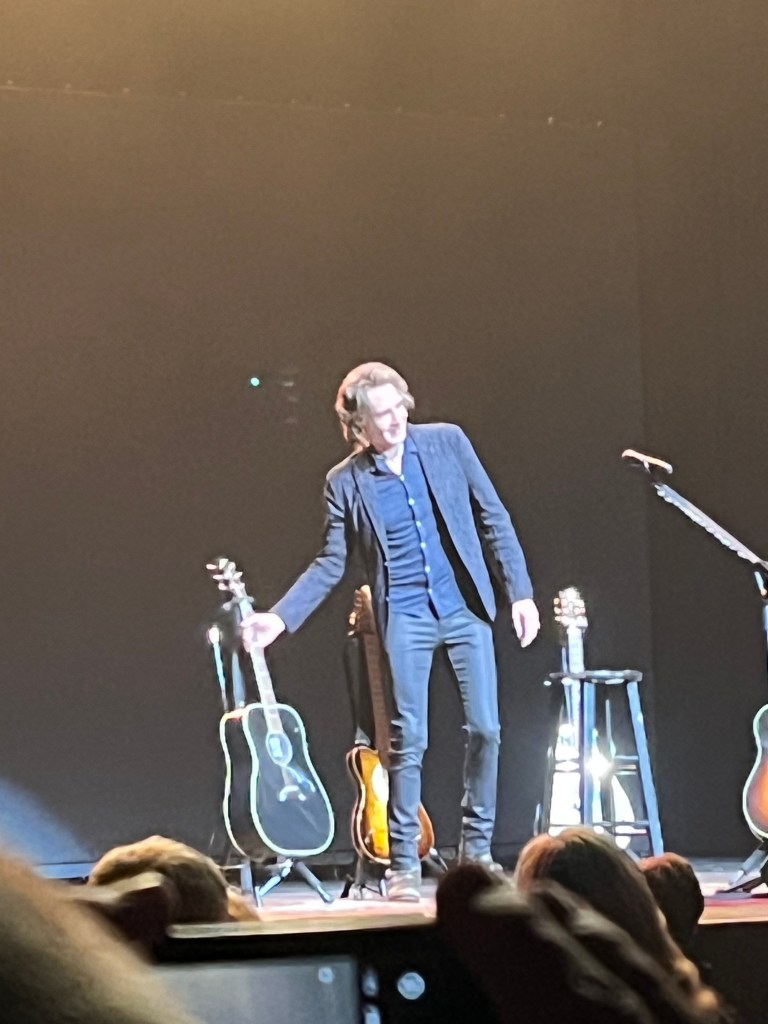
Five years ago, Olivia Newton-John was alive. Jeff Lynne, songwriter, vocalist, and founder of Electric Light Orchestra was healthy and on my bucket list of beloved artists yet to see live in concert. My daughter and I were tucked away in our cozy little home, hoping to remain safe from the deadliest pandemic in a century. Today, a day late because I had so very much to say that it took an extra day to edit this tribute down to a readable length, I honor the memory of Olivia Newton-John on the third anniversary of her passing, and the 45th anniversary of the release of Xanadu with an updated Note on my affection for the film, Olivia, ELO, and their everlasting and ever-evolving influence upon my life.

Olivia Newton John’s presence in my life: I have admired Olivia and her music since I was four years old, when her American breakthrough album and single Let Me Be There dominated the country charts in 1973. Her talent was recognized by the Country Music Association, by awarding her with the 1974 Best Female Performer title over fellow nominees including Dolly Parton, Loretta Lynn, and Tanya Tucker. Between 1973 and 1977, Olivia released fifteen singles, ten of those reached number one on the country and/or pop charts. In that same timeframe, she released seven top-ten country albums. For 45 years, Olivia held the Guinness World Record for the shortest gap of just 154 days between new number one albums by a female artist on the US Billboard album charts with If You Love Me, Let Me Know and Have You Never Been Mellow until 2020 when Taylor Swift achieved two number one albums in 140 days. In 1978, Olivia appeared in her first American feature film, an adaptation of the Broadway musical, Grease, and became the number one most influential artist in my life. Two years later, she was cinematically immortalized as one of the nine daughters of Zeus in the musical fantasy film, Xanadu.

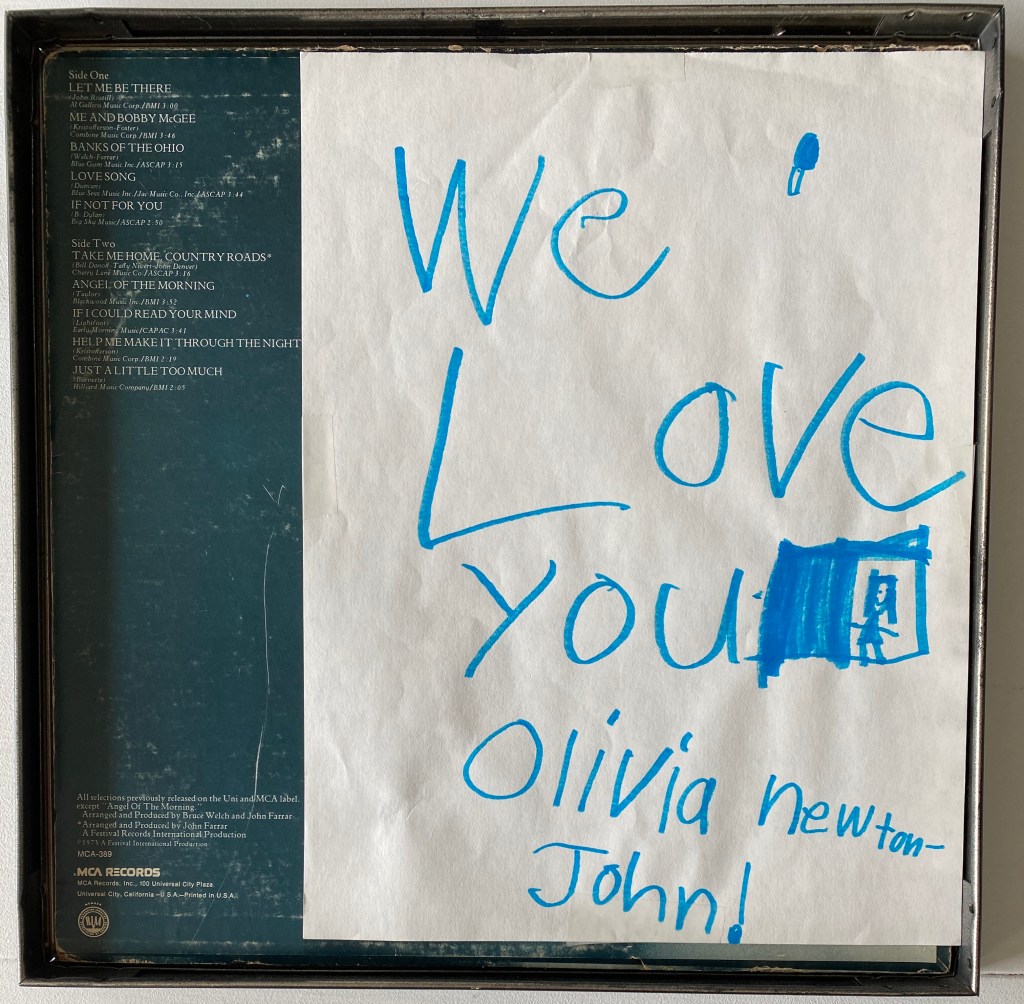
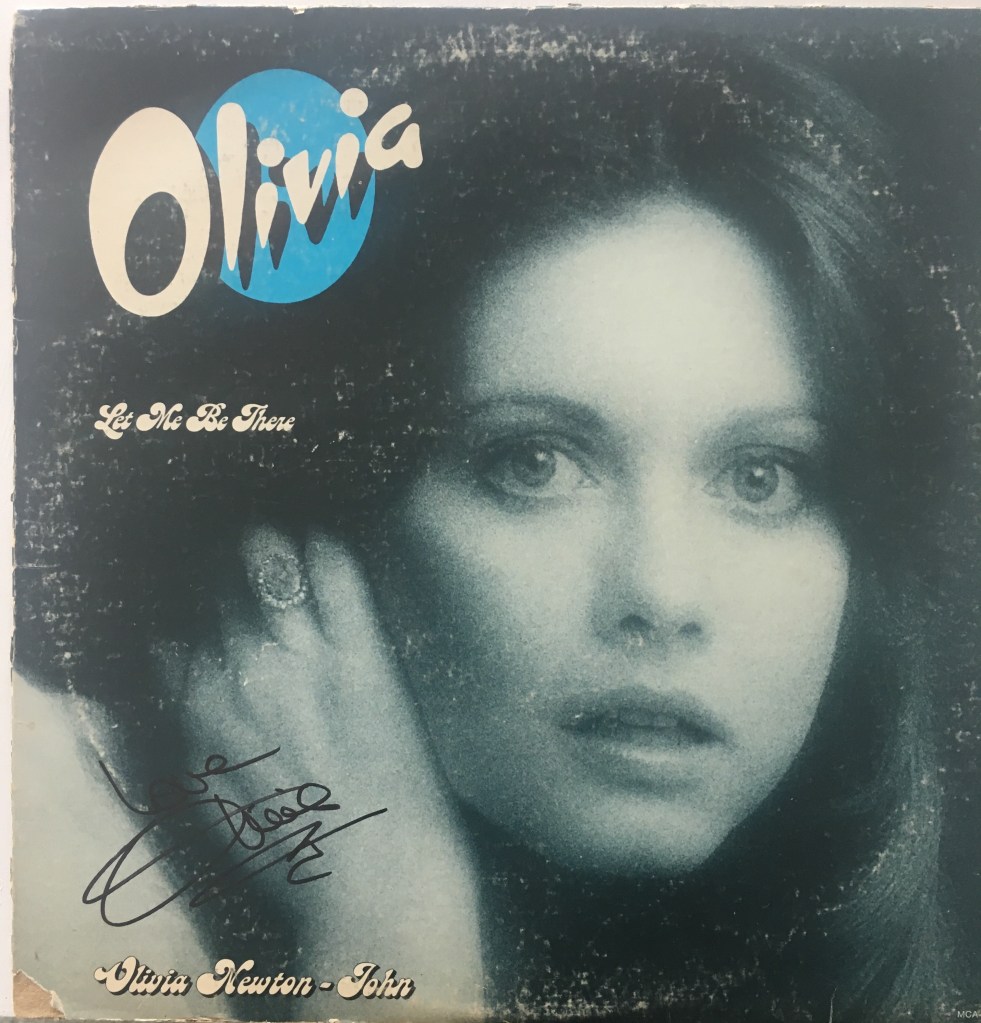
Olivia’s deeply principled and remarkably generous philanthropic work for the health of the Earth and all life on it are the reasons why I have continued to admire her throughout my adult life. In 2006, I had the profoundly fortunate opportunity to meet her when she performed in the small city where I resided for 35 years. She was exactly as I had always imagined her to be, gracious and genuine. Backstage, after the show, she talked with me as if I had been a part of her history as much as she had been a part of mine. She signed my Grease poster from 1978 and my Let Me Be There album from 1973. I presented her with a gift from my seven-year-old daughter, the drawing below. Tears formed in the corners of Olivia’s eyes. She shared that she too had just one little girl, and her little girl was all grown up now, and she loved her so dearly that she could not accept my daughter’s drawing. She explained that one day, that piece of paper would mean far more to me than I could possibly know that day, and she asked me to save it and treasure it. I heeded her advice and tucked it inside of my autographed album. Upon Olivia’s passing, my daughter was “all grown up.” I told her the story and revealed the treasure inside of the album that had been framed on our living room wall for sixteen years. I placed the record on our turntable. Tears streamed from my eyes as we sang along to every track and I experienced the unmatched joy of hearing the pops and crackles exactly as I had heard them 40 years earlier.
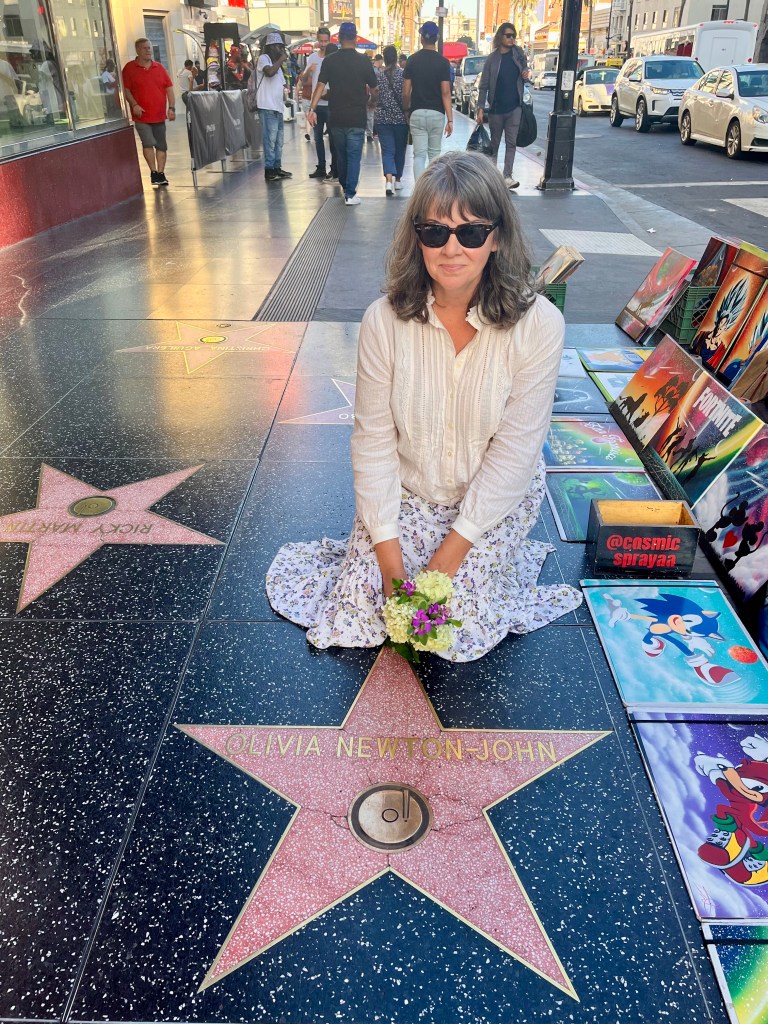
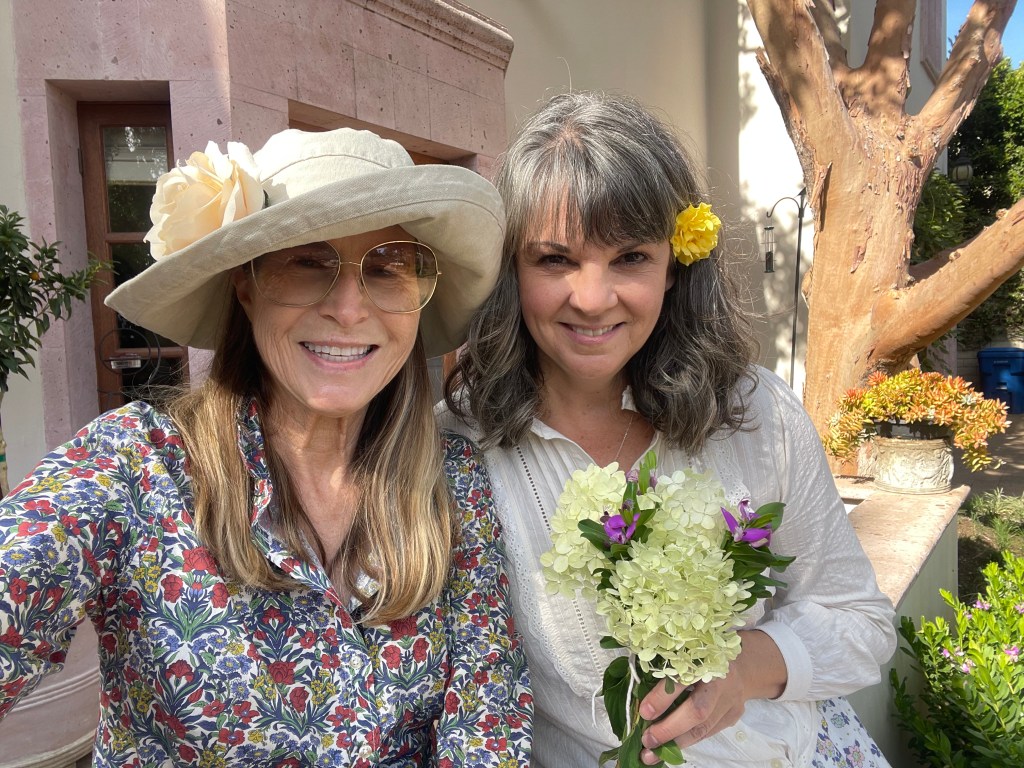
In 2022, one month after Olivia departed from this world, I traveled to Los Angeles to pay proper tribute alongside my dearest friend from my years of living there–the one who first took me to the majestic rocks of Point Dume at Zuma Beach in Malibu, the spot from which Gene Kelly’s character first appears in Xanadu. She and I lunched at the beach that day and reminisced about Olivia–she and my friend had once been neighbors in Malibu. We cut flowers from my friend’s garden and delivered them to Olivia’s star on the Hollywood Walk of Fame. And of course, we listened to the Xanadu soundtrack as we travelled down Sunset from the beach to Hollywood.
Jeff Lynne & Electric Light Orchestra’s presence in my life: I was absolutely spellbound from the very first time I heard Electric Light Orchestra’s “Strange Magic” in 1975 at Topp Cats Roller Rink.That classically arranged string intro so gracefully segued into a typical mid-1970s voice and guitar ballad piece, and then, WOW! All sorts of soaring, sonic sounds, unlike anything I had ever heard before, rushed in to join the strings and guitar to reach a stirring crescendo. Fifty years later, as I listen to this song, I recall the heady experience of the rink floor rapidly moving under me. I feel the muscle memory of the pivot in my feet. I am lifted—body, mind, and spirit…strange magic, indeed. The elegant and haunting “One Summer Dream” also from 1975’s Face the Music album, is how I began to crave the sensation of feeling music in a physical way. Whenever I heard that gorgeous string arrangement intro over the PA system, I would skate over to the corner to sit directly under the speaker mounted there and place my back against the wall to intensify the sensation of music pulsing through me. Previous to discovering ELO at the local roller rink during the summer of my sixth year of life, my musical tastes had been formed from listening to the records purchased by the adults in my family or from watching an artist on television with them. Because of my experience at Topp Cats, I have a deeply personal connection with Jeff Lynne’s Electric Light Orchestra as the first band to be my band, a musical discovery all my own.

Just ten months ago, my hometown bestie and I experienced the live magic of Electric Light Orchestra together. Throughout the past few decades, the two of us had been separated by the inevitable circumstances of adult life–jobs, families, and miles. Then last year, I returned to my hometown to press the restart button on my life. One of the very best aspects of this move has been the fact that she and I could reconnect as if the past 38 years were only a small moment in time. She and I first bonded in our preschool Sunday school class at our hometown Methodist church more than fifty years ago. As it turns out, those shared spiritual roots have proven the test of time, as we have discovered that we still share the same values. We also still share the same reverence for music and musicians that we shared at Topp Cats Roller Rink, where we first experienced ELO in 1975. Below is a video from their concert we attended together, a performance of “All Over the World.” Their “Over and Out” tour began last summer and was scheduled to end last month. Jeff Lynne’s declining health near the end of the year-long tour resulted in the cancellation of the final two shows that were set to take place a few weeks ago. Lynne has released a statement that he is unable to perform any longer and those two shows will not be rescheduled.

The impact of XANADU on my life: Nothing could have been more magical for a dreamy eleven-year-old country girl than a musical fantasy feature film starring Olivia Newton-John with a soundtrack from my favorite female vocalist AND my favorite band. On opening day, August 8, 1980, my mom drove my brother and me to Kansas City to see the film I had been eagerly awaiting all summer long. That three-hour car ride from our rural home-town to the city, was the final step in my three-month anticipation for the release of this film. We went to the theater in a district of Kansas City known as The Plaza, a beautiful and romantic area designed to replicate Seville, Spain. Dozens of gorgeous fountains and sculptures adorn fifteen blocks of shops and restaurants housed in Spanish-inspired architecture. There could not have been a more inspired setting in my home state for me to see Xanadu for the first time.

Xanadu did not disappoint. Not me, anyway. The critics, however, had a very different opinion of this musical love story on roller skates that featured multiple over-the-top fantastical dance scenes that merged the electric sounds of the 1980s with 1940s big band music. First, we meet Danny, an elegant elder musician, biding his time by wistfully playing his clarinet on the beach near his Malibu mansion. Next, we are introduced to Sonny, a young man with big dreams, working an uninspiring job for a music label, painting replicas of album covers to be installed outside of Tower Records on Sunset Boulevard. Next, the nine daughters of Zeus are brought to life from a mural on the Venice Beach Boardwalk. This is where we first see Kira, the roller-skating muse, portrayed by Olivia Newton-John, sent by Zeus to inspire the two men. Her sisters are a multi-racial ensemble of goddesses, a boldly inclusive depiction for 1980 cinema.

The muses come to life

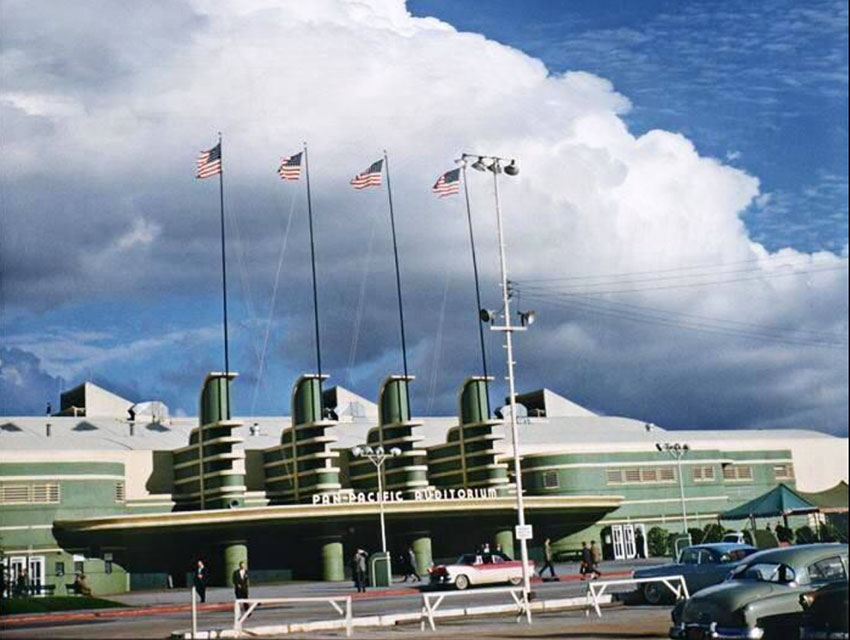
Upon removing herself from the boardwalk mural, Kira roller skates up the city’s coast from Venice Beach to Zuma Beach, on a muse mission to bring the young idealistic man and the older seasoned music industry professional together. Both are disgruntled by the industry for different reasons, yet share an unyielding passion for music and creativity. Kira leads them to the once illustrious, but now decaying architectural icon, the Pan Pacific Auditorium. Once Kira has lured the two men to meet in the venue, she recites Samuel Taylor Coleridge’s 1797 poem about Xanadu. Magic ensues, and in the final scene, Kubla Khan’s empirical palace built in 1256 China, is reborn as roller-disco-meets-big-band-nightclub in the Los Angeles Inland Empire.
Nearly every scene in the 96-minute film includes a magnificent dance routine on the scale of 1940s MGM musicals, all choreographed by Kenny Ortega, now a legend in the industry to nearly the entirety of America’s Gen Z young adults, because of his work in Disney’s High School Musical franchise. Then, there is the astounding fact that the elder music man’s role is played by none other than the brilliant Gene Kelly. His role as nightclub owner, Danny McGuire, from his 1944 film Cover Girl is reprised in Xanadu, which turned out to be his final film. His genuinely legendary dance technique and personal style are artfully and reverently presented, yet modernized for Generation X in a scene set in the uber-trendy 1980s Beverly Hills boutique, Fiorucci. The song for this fantastical dance number is “All Over the World” my personal favorite ELO track from the soundtrack. Though I’ve often said I cannot cite one ELO track as my all-time favorite, because so many are so beloved, this one is certainly a contender. If you do not watch any of the other clips embedded in this essay, I implore you to watch this one fully, to take in all of the splendor and excess of the 1980s at its very best and to witness the absolute genius and bona fide charm of Gene Kelly. Then imagine what this must have felt like for this eleven-year-old farm girl to witness on the big screen. There are no words to convey my level of adulation, awe, and intense longing to become a part of the music business at that time in my life.

The final scenes of Xanadu include an impassioned conversation somewhere in the Heavens between Kira’s love interest, Sonny, (the young ingenue) and her parents, Zeus and Hera. His desire to keep his muse in his world is so intense that he roller rams himself into the wall on the boardwalk where Kira’s image is depicted alongside her sisters. The closing number is so extravagant, Gene Kelly even roller dances, amidst a corps of jugglers, fire-eaters, acrobats, skaters, and dancers from multiple cultures and races, genders, and what was most likely my first witnessing of gender fluid representation.
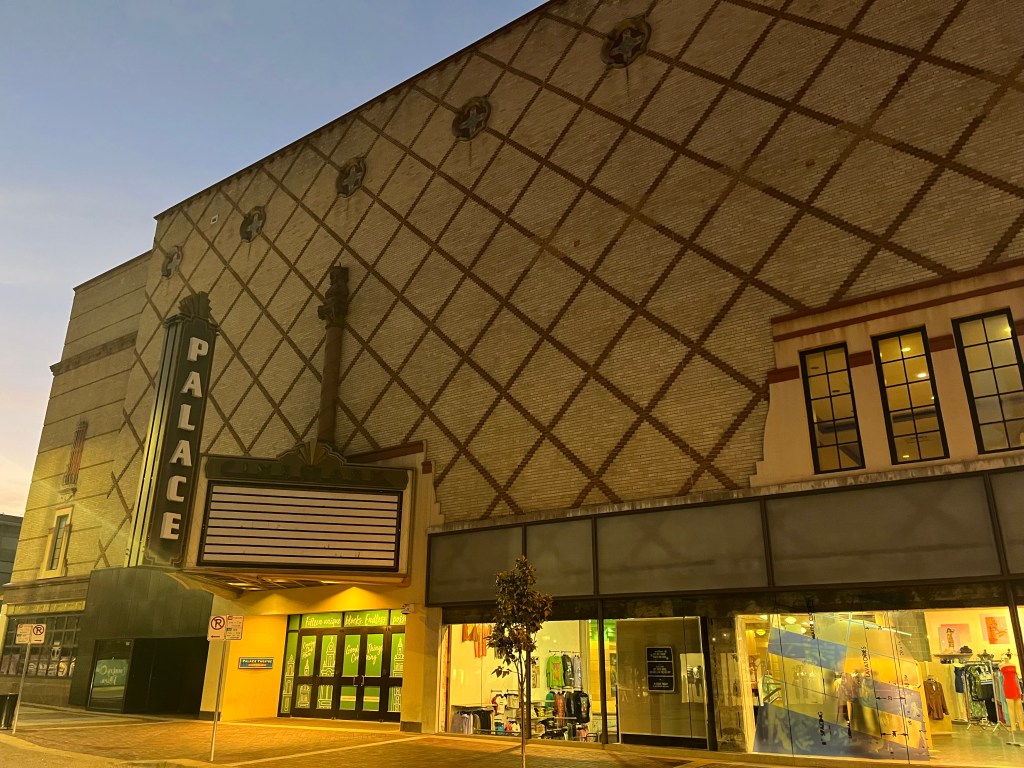
Outside of the theater in Kansas City where I first saw Xanadu. The photo was taken on the night that Olivia Newton-John passed away, August 8, 2022.

All of this unfolded on what was likely the largest cinematic screen I had experienced at that time in my life, as well as a breathtaking showcase of Los Angeles culture with its beaches, palm trees, and stunning art-deco architecture. What’s not to love when you’re a pre-teen farmer’s daughter who has lived inside her fantasy of becoming a part of the entertainment business since she could walk and talk? I was captivated by every aspect of this film.

I had to embellish my own style a bit to emulate my new screen heroine, Zeus’s dancing, singing and most importantly, roller-skating, daughter. I adorned my white roller skates with shiny silver sticker letters bearing my initials “TNL” on the back spine of each skate under my newly purchased leg warmers. I also dressed in frilly peasant blouses and flowing prairie skirts in pastel colors. I wrapped long flowing ribbons into my barrettes, just like Kira’s, and I even draped nine of my grandma’s silky scarves from an elastic belt around my waist, in my effort to replicate and represent the nine muses’ fluttering layered dresses. Then, I floated around the rink floor at Topp Cats in this attire. Yep, seriously, I did that. At home, I stood in front of my bedroom mirror and attempted to replicate that fabulous Ortega choreography. I was particularly captivated by the number during which Kira magically transforms her visual appearance and musical style from 1940s siren, to 1980s punk, to rhinestone cowgirl, in a three-minute song titled Fool Country, which is not included on the soundtrack album, but appeared as a B-side of the “Magic” 45RPM single.

working on my dance routine to “Fool Country” from the closing scene of Xanadu.

Since I was three years old, I had wanted to become a dancer, or singer, or literally anything that would connect me to the glamour of some sort of music-related career. Until Xanadu, nearly all of my favorite media had allowed me glimpses inside New York’s entertainment industry and/or New York City itself–Funny Girl, That Girl, The Goodbye Girl, Mahogany, Annie, The Wiz and Breakfast at Tiffany’s. Xanadu was my first exposure to Los Angeles, and instantly, I was enamored. My fascination for NY was magically transported to LA. The awareness of Los Angeles as a launching point for my future career could be somewhat tethered in reality, and that concept became obsessively compelling for me. I had a great aunt and uncle who lived in Los Angeles, and perhaps one day I could go and visit them there. Seven years after seeing Xanadu, I would do just that.

By the late 1980s, a number of young women had been declared supermodels due to their appearances in rock music videos since the onset of MTV in 1981. A career as a fashion model became my plan for a role in the music industry. I had the height and the commercially determined physical attributes required for the job, and despite my most earnest efforts to acquire the skills of a professional dancer throughout my childhood, I lacked the talent.

During my first week in Los Angeles, by pure chance, my friend took me to Zuma Beach to witness for the first time, the beauty of the sun as it melts into the Pacific Ocean at dusk. That experience from 38 years ago lives in my mind and heart as if it happened last night. Not only was I spellbound by the majesty of the ocean, but at the realization that I was in the place where Gene Kelly had played his clarinet in the opening scene of Xanadu. My favorite photoshoot during my brief career in Los Angeles took place on those same rocks. Thirty summers later, I photographed my daughter in that same spot at Zuma, to ensure her dreams would one day come true as well, because I still consider Zuma Beach in Malibu to be the most magical place in the world. I try to make a pilgrimage to those rocks, to be suspended in time in my zen zone, every time I visit the glittering city of the angels. Zuma is my connection to that eleven-year-old farm girl inside of me who believed her dreams could come true at the beginning of the 1980s, as well as to that eighteen-year-old girl in me, who actually got a shot at making her dreams come true in Los Angeles at the end of the 1980s.

The eternal magic of Xanadu:

Magic was the first single from the forthcoming album. The track was released during the week of my eleventh birthday which of course, I considered not at all coincidental, but rather, purely magical. The song remained at number one on the pop charts for four weeks that summer. I was absolutely enchanted and wholeheartedly believed in the magic of those lyrics. In 1980, every word of that ethereal and intriguing song resonated with a message that inspired me to keep dreaming until I found my rightful place in the entertainment world, in some glittering and glamorous city, far away from my rural home. I wrote the lyrics again and again in my notes throughout the next few years of my life, and examined their meaning again and again, making promises to myself to keep all my hopes alive, so that my destiny would arrive.

Throughout the four decades since first hearing them, my belief in those lyrics we have to believe we are magic, nothing can stand in our way, has ebbed and flowed. Today, on the 45th anniversary of Xanadu, after five years of what sometimes feels like merciless challenge for me, and an awareness of the unprecedented hardships and loss for so many people in this world, we could all use a little bit of magic. We have to believe we are magic…we don’t have to be kissed by a muse to be inspired. Every one of us has the human ability to inspire others through compassion, kindness and empathy. Let’s be better humans, to our world and to all humans all over the world.

Magic served as the perfect sentiment to honor Olivia’s profound impact on my life and my daughter’s when Olivia left this world. In response to my grief, it was my daughter who suggested that we imprint a bit of Kira’s musing, lyrical, and magical prophecy on our arms so that forever onward, in moments of doubt, we can simply look upon ourselves and be reminded.

you won’t make a mistake

i’ll be guiding you

This desperation, dislocation, separation, condemnation, revelation in temptation, isolation, desolation, let it go…

LIVE AID at 40

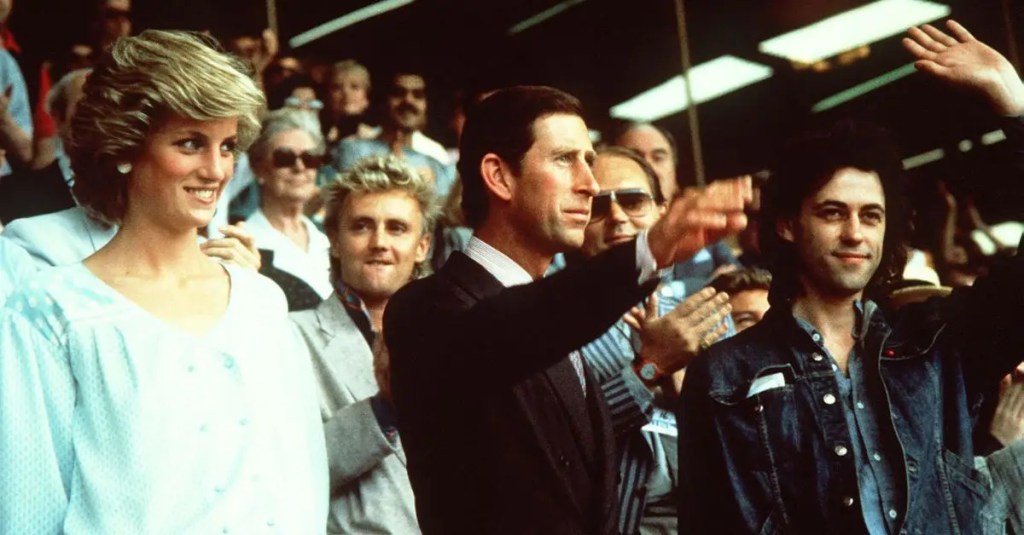
Princess Diana, Prince Charles, and Live Aid founder, Bob Geldof, welcome the sold-out crowd
at Wembley Stadium in London.

Four summers earlier was the last time I had set my alarm clock so early, when I was a quixotic twelve-year-old girl on the morning of July 29, 1981. I had risen before the Midwestern sun to be a live witness (through the television screen) to twenty-year-old Diana Spencer as she became the Princess of Wales and future Queen of England. In the early morning hours of July 13, 1985, I awoke as the same earnest and starry-eyed girl, now sixteen, ever more eager for a live glimpse of Her Royal Highness, Princess Diana, alongside her husband, Prince Charles, and a musician scarcely known to me at the time, Bob Geldof. They greeted the crowd at an event larger than anything my young mind could fathom. The audience expanded vastly beyond the 72,000 tickets sold at Wembley Stadium in London, and the 99,000 at John F. Kennedy Stadium in Philadelphia. From our living room, in our little town, in the middle of rural Missouri, my brother and I were among 1.9 billion people, about 40 percent of the world’s population in 1985, watching 95% of the world’s television sets as the United Kingdom, the United States, Australia, Austria, Canada, Japan, the Soviet Union, West Germany, and Yugoslavia hosted 24 hours of live concerts to raise money for famine relief in Ethiopia.

My 16th birthday, on the precipice of summer 1985, with my 11-year-old brother in front of our home on Howe Street.

The lead-up to Live Aid from my view of the world: A lot had changed since that summer of 1981, when I had been a little girl living a middle class, Midwestern American life–experiencing such niceties as central air-conditioning, a comfortable bed, lots of Barbie dolls, and a closet filled with store-bought clothes in a bedroom of my own in a mid-century ranch-style home with a working Dad, stay-at-home Mom, and a little brother. A year later, my brother and I joined the ranks of thousands of other “latchkey kids,” the early 1980s catchphrase for the first generation of Americans to grow up amidst widespread divorce.

In the summer of 1985, I became a licensed driver, opened my first checking account, accepted my first real job in the American workforce–paying taxes, contributing to Social Security, and creating the ability to purchase things for myself like a Sony walkman, albums on cassette, and clothes that didn’t come from a second-hand store. Each weekday morning, I drove my Mom to work at the bank in her 1977 Ford LTD and returned home to care for my little brother. It was a really hot summer, a cruel summer, if you asked me, although Bananarama had affixed that phrase to 1983. At noon, I’d drive the two of us to the city pool for relief during the hottest part of the day until 4:15 p.m. Then, I’d towel my brother and myself off and slide t-shirts and shorts over our wet swimsuits. I placed our damp beach towels on the vinyl bench seats of Mom’s car to prevent our legs from burning as I drove to the bank to pick her up from work.

On Saturday, July 13, 1985, my alarm clock rang extra early, because I just had to view every single, awe-inspiring, musical minute of an all-day global live concert event called Live Aid. I just had to watch a spectacular list of musicians perform live, to save lives. I’d heard about Live Aid through every form of media that existed at the time. The morning and evening news on all three American channels had promoted it for months. Every magazine in the grocery store, from Teen Beat to Time, had Bob Geldof’s face and/or that now-iconic Live Aid logo on its July cover.

Kasey Kasem had talked about it during his weekly syndicated American Top 40 program. Live Aid organizers and The United Nations collaborated with Kasem to create the video clip to be aired throughout the US broadcast on the MTV Network for the purpose of empowering American kids to call 1-800-LIVE AID and pledge their funds to feed the world. These kids had been emboldened by the network from the day they went on the air. On August 1, 1981 their ingenious, controversial, and highly successful promotional campaign began urging kids to call their local cable providers to demand, “I want my MTV!” Most rural American kids could not heed the call of MTV because cable was a fairly new technological innovation which did not reach our towns until the late 1980s. We turned on and tuned in to Live Aid on ABC, CBS, or NBC.

Remarkably, those American networks and magazines, along with BBC across Europe and Australia, and CBC in Canada were able to garner the attention of nearly half of the entire global population. There were also hundreds of radio station DJs talking about it, and record stores and street team kids posting fliers around the world. The fact that anyone could produce anything that could hold the attention of nearly two billion people for 24 hours, leads me to believe that the need to care for humanity led to the most powerful marketing campaign in the history of the world. As someone who produced and promoted hundreds of events in both the pre-digital and the digital age, this concept leaves me awestruck 40 years later.

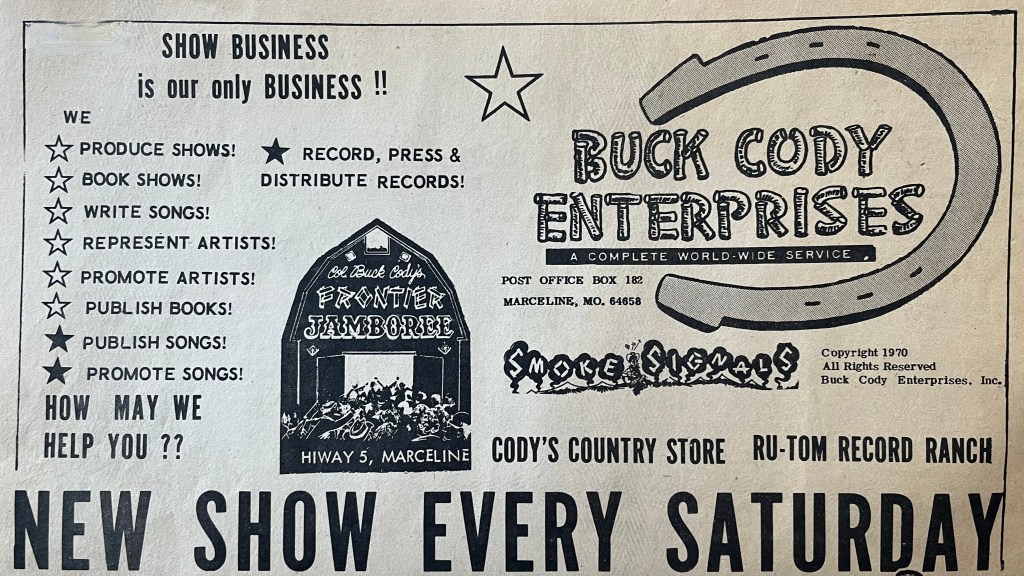
Live Aid was an event I heralded with more anticipation than nearly anything that had come before it in my young life. Mom had always been supportive of my deep affection for music. When I was only three, my obsession with The Jackson 5 resulted in attending my first concert with Mom, in 1972. After that, I was hooked. My grandparents began bringing me along with them nearly every Saturday night to see live music. Right there in our tiny little town, surrounded by majestic treelines and green fields of crops and livestock, was Buck Cody’s Frontier Jamboree. The house band included the classic variety of country music instrumentation–fiddle, guitar, banjo, pedal steel, or ‘steel guitar’ as we called it. For me, a pair of fiddle playing teenage girls were the most captivating element of the ensemble cast. I was spellbound every time as I watched the rapid-fire movements of their bows across the strings of The Green Sisters’ fiddles. Until Live Aid, these events had generated the most visceral memories of my young life. And from these experiences had come an all-consuming desire for my future career. Someday, somehow, some way, I just had to become a part of the glittering world of entertainment.

An ad from the early 1970s in my hometown newspaper.

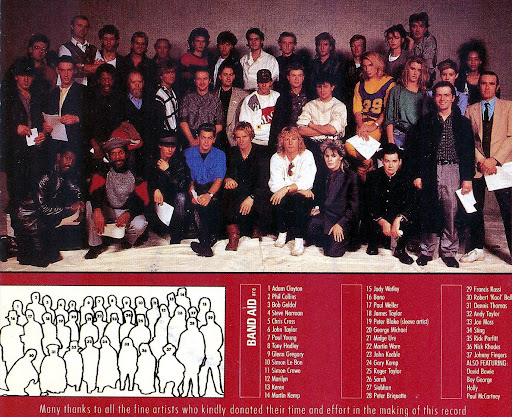
The lead-up to Live Aid from Bob Geldof’s view of the world: In 1984, the frontman for the Irish band The Boomtown Rats had seen a BBC report about a desperate and immediate need in Ethiopia. Hundreds of thousands of people were suffering and thousands were dying every day from starvation, resulting from extreme drought, coupled with corrupt systems in some of the areas affected by the drought. This musician, Bob Geldof, chose to visit Ethiopia and find a way to help. Upon his return, his first call was to friend and Scottish musician, Midge Ure of Ultravox, followed by British pop stars, Sting of The Police and Simon LeBon of Duran Duran. Geldof and Ure recruited 40 European-based musicians to form Band Aid. The single, “Do They Know It’s Christmas?” was recorded on November 25 and pressed on November 26, an unprecedented timeline. The 45RPM record was released on December 7, 1984 and entered the singles chart at number one in the UK and twelve other countries that week. The track sold almost two million copies and raised £8 million ($10 million) in the first eight days.

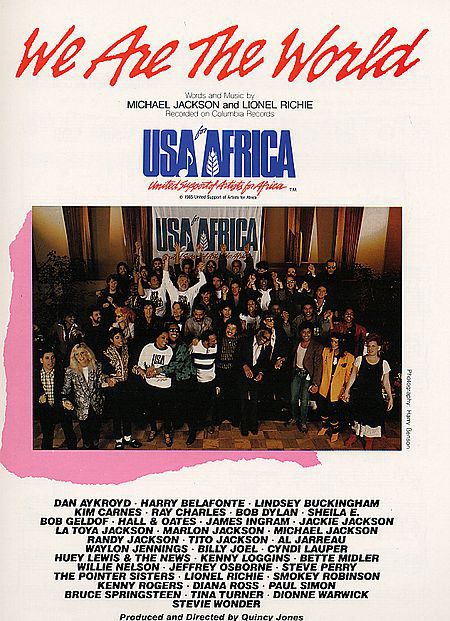
In a recent BBC interview, Geldof says he “was on the phone with Harry” (Belafonte) as the Band Aid Trust was being developed by European music industry legal and fiscal advisor, John Kennedy, who volunteered to create a fund so that all of the money raised would be held in a trust to continually regenerate more funding. Geldof said that once he and Harry started talking, “all the Americans started calling me–Ray Charles, Willie Nelson, Bob Dylan–saying ‘Bob, we want to help!'” Next, Quincy Jones and Michael Jackson set up a meeting with him to talk about “We Are The World.” Jones and Jackson had arranged a plan to record a single featuring all of the top American recording artists in Los Angeles, immediately following the American Music Awards ceremony on January 28, 1985.

This news was the best kind of music to Geldof’s ears, because he had recently met with Margaret Thatcher, Prime Minister of England, who thanked him for his goodwill, but also expressed that his efforts would not be enough to save lives. The need was vastly beyond what eight million pounds could provide and cartels were blocking the aid from getting to the starving people in Ethiopia and other famine stricken countries. Mrs. Thatcher said the problem was too big to get involved. The British government’s unwillingness to provide aid only made Geldof more determined to save people from dying, and it would take more than a temporary Band Aid. A long term plan of action had to be developed immediately. Money needed to be raised to purchase cargo ships, fleets of Range Rovers, and fearless individuals must be recruited to embark across the desert for the secure delivery of food, medical personnel, and supplies necessary to care for and save populations of starving, dying people.

Bob Geldof with Band Aid I, the first of many cargo ships purchased by the Band Aid Trust to “Feed the World.”

Geldof called the UK’s top concert promoter, Harvey Goldsmith and the two began to formulate the plan for Live Aid. Goldsmith secured Wembley Stadium for the concert, and the two recruited the top concert promoter in the US, Bill Graham. Philadelphia’s mayor called Geldof personally, to donate the use of JFK Stadium. A date was set for July 13, 1985. Eight additional countries, including the Soviet Union, also agreed to organize concerts on that day. Hundreds of live music professionals–managers, publicists, legal representatives, and thousands of production personnel–from all around the globe offered their expertise and talent and time for free. Goldsmith and Graham began securing top tier artists to fulfill Geldof’s request to create a “jukebox bill.” Geldof emphatically expressed to the promoters that ten thousand people a day were dying, Live Aid would need artists who had sold hundreds of millions of records in order to raise hundreds of millions of pounds.

The impact of Live Aid on me in 1985: I mentioned that summer was hot. So hot, that the storm door remained open day and night, so that a box fan could be placed on the floor just inside the front of the house, to churn the outside air from hot to cool, creating a breeze that blew through the living room. Most nights, my brother and I slept on a sheet in front of that fan. We remained affixed in that spot for the entire duration of the Live Aid broadcast.

The room from which I watched the entire Live Aid broadcast. My bedroom was through the door next to the tv.

As the sun was rising in Mid-Missouri, it was high noon in London and the concert began with the arrival of the Prince and Princess of Wales, accompanied by the music of the Royal Coldstream Guard. The fanfare was fascinating, the view of the size of the crowd was astounding. The first band opened with a song called “Rockin’ All Over the World.” I had never heard of the song, nor the artist before that moment. As an American teenager living in a rural town, the wildly popular pop stars of Europe were almost entirely unknown to me then. About ninety minutes and five acts into the event, I recognized a song, “True” by Spandau Ballet.

After a few more acts consisting of more White men with British accents, all unknown to me at the time, a petite black woman with a massive, sleek ponytail, a charismatic presence, and a colossal voice entered the stage. Sade’s three-song set was one of those magical musical moments when everything else around me disappears and I am transfixed by the sound. At a time when popular music was heavily layered with synthesized sound, this woman and her band presented a striking reminder of the immense power of voice and simple instrumentation. I typed and deleted multiple sentences for several days this week, attempting to describe Sade’s performance. Then I realized the only way to convey the experience was to embed the video. There are no words to adequately describe this.

I do wish that I could write that Bryan Ferry, the man who possesses the voice, the face, and the mystique that I admire most in all the world today, gave a performance that captured my heart and mind in an unforgettable manner that day. The truth is that I do not remember his appearance at all. I realized while researching for this essay, that it was on that day when I first heard the lyric which I consider to be the most personally captivating from all of music and of all time.

We’re too young to reason, too grown-up to dream

I’ve written those words and expressed my interpretations of that line in at least a dozen notebooks throughout the past four decades. But it would be two more summers after Live Aid when those words and this man would first enter my consciousness and remain there forever.

During the Live Aid performance following Ferry’s, I first connected the dots between the voice that uttered the opening line, It’s Christmas-time, there’s no need to be afraid, with the 1985 pop single, “Every Time You Go Away” and the face of Paul Young. As we neared the evening portion of the London broadcast, and the mid-day humidity of Missouri, I was enlivened by what for me, was the most commanding presence of the day. Up until then, the London audience had been engaged, but when a young man dressed in what I would have described as a pirate costume then, entered the stage, the energy changed dramatically. Immediately, 72,000 bodies moved in sync and sang along to every word of “Sunday Bloody Sunday.”

Everything about this band’s sound was so modern, so distinctively different from everything I knew about music. Their performance was raw and aggressive; their presence was alluring and unshakable. Their second song which lasted for twelve minutes and twelve seconds was my first witnessing of live music as activism. The music and the message felt confusing and empowering at the same time. I found myself so moved by the unabashed articulation of 72,000 of my European peers, I was ready to join their movement without actually knowing what their movement was about. I don’t believe that I had any understanding of the conflict in Ireland at that time. After that performance, I found myself wanting to become more culturally aware, more politically active, and more eager than ever before to leave rural life as soon as I possibly could. I just had to experience urban life and other cultures in spaces where I could connect with other creative and empathic souls like mine.

At 12:00 noon Eastern (11:00 a.m. Central Standard Time for me) the American concert began in the City of Brotherly Love. Joan Baez greeted the crowd and opened the show with an a capella rendition of “Amazing Grace.” Our mom had raised us with a reverence for Joan Baez’s stance for social justice and her remarkable vocal style. By this point in the day, Mom had brought lunch to us and taken a seat on the sofa. The three of us, together in our living room on Howe Street, watched music history as it took place live around the globe.

The lineup at JFK Stadium included all of my favorite musicians at that time in my life. The Cars, Madonna, Run DMC, Tina Turner, and Rick Springfield. Even those gorgeous British boys of Duran Duran were on tour in the US at the time, so they too were scheduled to perform on the American stage. At some point in the weeks leading up to Live Aid, I do recall asking my mom how long it would take to to drive to Philadelphia. Her answer was rather vague, yet clear enough for me to understand that it was an outrageous request to make. Nonetheless, at sixteen, it was a little bit heartbreaking to accept that there was no way for me to be a part of that live audience. The bright side of watching Live Aid on television from home was in having the ability to see the entirety of the UK and US concerts, and even a few snippets from some of the other countries.

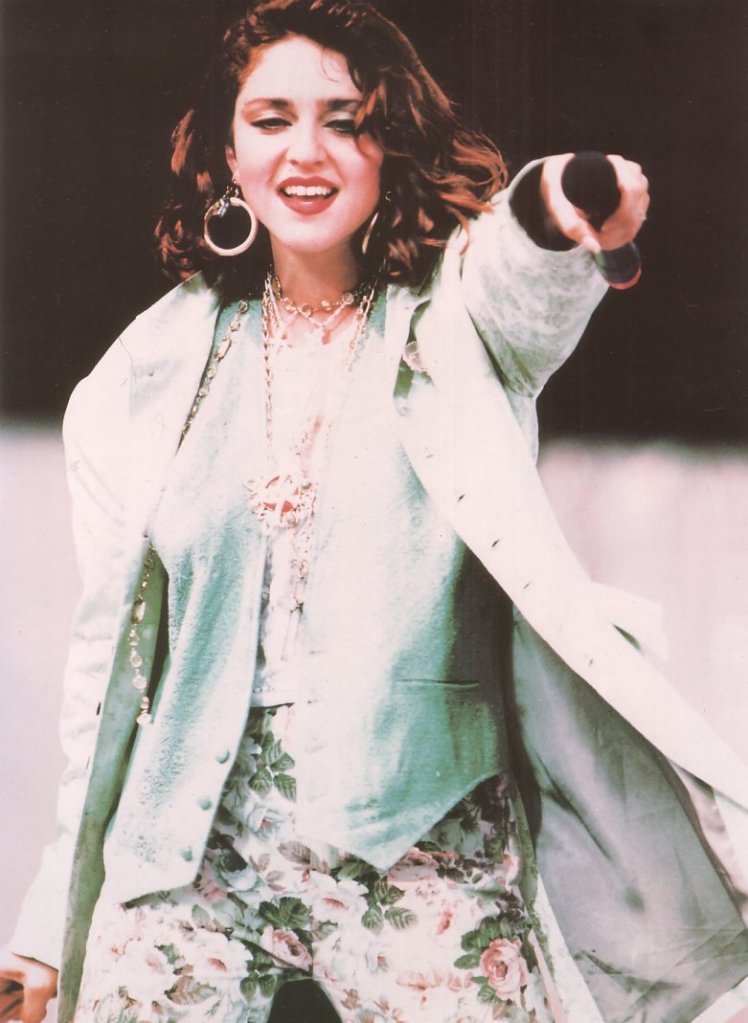
Madonna’s performance of “Holiday” and “Into The Groove” was heralded as one of the most jubilant and joyous setlists of the event. I could not believe my eyes when she skipped gleefully out onto the stage with her natural brunette hair color, it was thrilling. Since first bursting onto the pop music scene in 1983, gutsy teenage girls across the country were bleaching their hair blonde, strategically keeping dark roots, and cutting the sleeves off of t-shirts to ensure their bra straps would show! The Madonna-wanna-be style was an edgy, urban, and unattainable look for a shy Midwestern girl growing up in a place where stepping outside of social norms felt almost blasphemous. At Live Aid, Madonna displayed a whole new style that I could emulate…and I did. Her relatability that day impacted my confidence. Becoming a part of this industry that I so desperately wanted to find a role in, somehow seemed more tangible after that.

The prime time portion of the American broadcast on ABC was hosted by Dick Clark. He guided us through segments from most of the participating countries’ concerts. We saw musicians performing in multiple languages from four continents. Together that evening we watched as British and American artists from Mom’s youth performed with the pop stars of our youth–Hall and Oates with David Ruffin and Eddie Kendricks of The Temptations; and Tina Turner with Mick Jagger. July 13, 1985 was my absolute favorite night ever with my mom and my brother. Mom had purchased a little 3-bedroom bungalow for the three of us in 1982. She worked a minimum wage day job and waited tables on nights and weekends to make ends meet for her single-parent household, but that night, she stayed home with us to watch Live Aid. Although we no longer had the means for such luxuries as air-conditioning, we adored our home on Howe Street. That night, we all three became aware of how incredibly fortunate we were to have our safe and cozy home, clean water to drink, access to a free education, affordable healthcare, and plenty of food in our pantry.

Dick Clark, the host of American Bandstand who had introduced American kids tosongs with a good beat that you can dance to” every Saturday since 1957, emceed the evening portion of the broadcast for the ABC network.

The impact of Live Aid on me since 1985: The mission and the message of Live Aid established a commitment to become more socially aware, and reinforced my impassioned desire to find a career path that would lead me to the music industry without talent for singing, dancing or playing an instrument. After skirting around the edges of a career in entertainment in Los Angeles from the ages of 18 to 21, I returned to Missouri. I could write, and that led me to study journalism in college and to set a goal for becoming a music journalist. I started working in a music venue at the age of 22, as a means of becoming more informed about the inner-workings of the industry. For the next four years, I was developing marketing campaigns to promote concerts at that venue. I spent most of my 26th year on tour with a band from Oklahoma City, and a tour manager who would later become my husband. I finally took a job with a newspaper at age 27, but not as a writer, as director of promotions. In my first year in that role, I developed a budget and plan for a free, one-day, multi-genre music festival at the Will Rogers Theatre in Oklahoma City, and convinced my boss, who then helped me to convince her boss, to greenlight the event. It was a time in Oklahoma’s history when there was a lot of grief and despair in response to the massive loss of life at the Murrah Building that had taken place on April 19, 1995. I wanted to celebrate what was good about Oklahoma, its rich artistic heritage, from its Indigenous roots to Will Rogers to Woody Guthrie, to Garth Brooks, to the Flaming Lips. The Flaming Lips headlined the show, supported by five other Oklahoma-based acts, all representing different genres. My then-husband had served as a tour manager and production manager for many artists, and stepped up to volunteer as production manager for the event. Neither of us requested or received a cent of compensation. It was for the good of our fellow Oklahomans.

A year later, he and I took his eleven-year-old daughter to attend Lilith Fair. There was a warmth and depth to this celebration of female musicians, and a serene absence of the male-dominant angst music of the 1990s. The artist that stood out far above all of the others that day was Sinead O’Connor. I melted into a puddle as she performed her version of Nirvana’s All Apologies. I heard the lyrics of that song in an entirely new way, and was so intensely emoted by the experience that my husband asked me if I was pregnant. The next morning, we were thrilled to discover that our now 26-year-old daughter had also attended Lilith Fair with us that day, in utero…27 years ago this month.

The concepts that Live Aid and Lilith Fair were built upon lingered and percolated inside of me, but I lacked the courage to create a platform for change. Then, at the age of 49, I became friends with a woman half my age who shares the same values and vision as me. My experience had made me resilient and her brilliance made her brave. Together we began to build a business model on two principles:

  1. to make the music industry a safer and more equitable workplace for women
  2. to remove barriers that surround public access to live music events–gender, race, income, mobility, and age

We produced a three-day, two-stage, multi-genre, mulit-generational live music festival that featured 27 touring artists, including headliners Brandi Carlile, Sheryl Crow, and Mavis Staples. Every act in every slot in our lineup was led by a woman artist. Nearly 8,000 people were able to access the event because we made it as affordable, accessible, and safe as we possibly could.

The crowd during our 2022 event.

Privately, behind the scenes in the months leading up and during every moment of the event, we were being personally threatened and harassed. We worked closely with law enforcement and we spent tens of thousands of dollars on professional event security to ensure the safety of everyone on site. Equity and safety come at a high cost these days. In the year that followed, we garnered national media attention lauding our event, and received accolades for our work at music industry events held at the Beverly Hilton in Los Angeles and at the Rock and Roll Hall of Fame in Cleveland. The country was just beginning to recover from the staggering number of lives lost, and to assess the massive financial loss caused by the pandemic. Locally, we lost sponsorships, and no one that we asked was willing to make the long-term investment we needed to help us get back on our feet. Production costs skyrocketed, but we hung on another year and produced a second, highly diverse, well-attended, but under-funded event. Some local media shared untrue and unkind things about us when we came to the heartbreaking conclusion that it was not financially sound to continue. Again, people who didn’t even know us were sending threatening messages to us. I no longer felt safe in the community where I had lived for 35 years. Most of what we went through we will keep to ourselves forever because the good that we were able to do by taking a stand for social justice will always be more important than the hardships we endured.

The impact of Live Aid on the world since 1985: There is a legitimate argument to consider about the long-term misconceptions about Africa and its people, caused at least in part, by the earnest efforts of Live Aid. In 2023, Moky Makura, executive director of Africa No Filter wrote, “Sadly, the mainstream media, the most influential ambassador for the Live Aid legacy, still largely perpetuates this dominant narrative about a broken continent plagued by poverty, conflict, corruption, crime, poor leaders and disease. In their version of Africa, the continent is a place beset by dependency and full of people who lack agency.” The full article from The Guardian is available to read here: “Live Aid led to the patronising ‘Save Africa’ industry.”

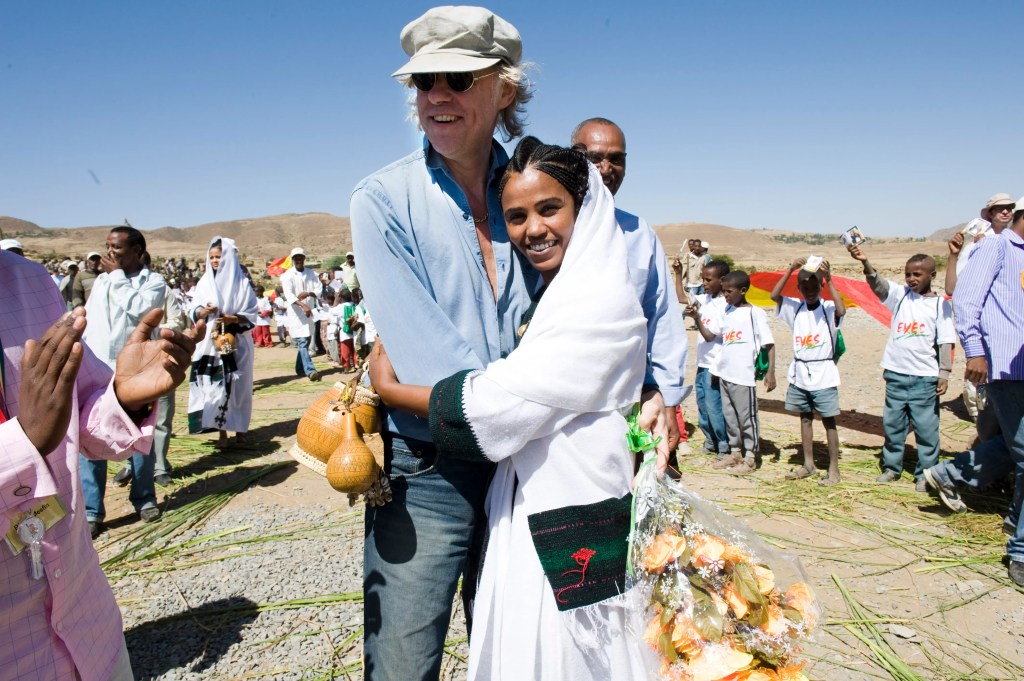
In a recent interview with the BBC commemorating the 40th anniversary of Live Aid, Geldof discussed his own reservation about screening a newsreel during the concert at Wembley, that had been produced by the Canadian Broadcasting Company in 1984. He described the piece as “the pornography of poverty” and discouraged its use during the concert, because, he felt there was “no need for human degradation” in order to move people to support the cause. He cites David Bowie as the catalyst for the ultimate decision to show it on screen that day. In their planning for the event, Geldof eventually bent to Bowie’s will. Bowie introduced the short film to the London audience following his set, and it was included in the live broadcast on BBC that day. As it turned out, this was indeed the time in the day when “all the phones rang across the world.” Everyone, whether in the crowd at Wembley or “at home watching the telly” immediately understood the immediacy of the need to relieve the human suffering that was happening live in that moment. The videographer who shot the footage did not leave anything to be imagined about the situation in Ethiopia. Just as Bob Geldof had witnessed in person, thousands of people were dying, and children’s tiny bodies wrapped in gauze for burial were all around him. The newsreel can be found on youtube.com and should be viewed only with compassion and the ability to understand the intended purpose of its content. One living example of that intended purpose is Birhan Woldu. An Ethiopian woman who was seen as a young girl pronounced by a nurse as being on the verge of death in the CDC newsreel. But Woldu survived, and lived to tell the story of how Live Aid saved her. She has become a political activist, philanthropist and teacher who has attributed her life to Geldof.

Bob Geldof and Birhan Woldu in 2019.

The complexity of what was happening and the reason why it was happening was utterly and completely consuming to me as a 16-year-old in 1985. Nonetheless, as a 56-year-old who has studied journalism and marketing, and spent decades working in the live music industry, I paused after writing the previous sentence, made some breakfast, went to church, and thought about those words and the world we live in today. Although there were far fewer ways to connect and communicate forty years ago, it was possible to deliver one true, authentic message, nearly impossible to misconstrue. At that time, billions of people were caring, willing, and trusting of a singular directive, and contributed to fund humanitarian aid, if they had any means at all to do so. I don’t think that will ever happen again. In 1985, we did not hesitate to call 1-800-LIVE AID, when the message appeared across our television screen. We wanted to be a part of this genuine global goodwill cause, as did millions of other people who donated that day.

The onslaught of digital media in the 21st century has splintered into millions of streams of communication that can connect humans instantly, all over the world…so much of it, so compelling, yet entirely untrue. It seems that technological advances have divided our species into two types of humans, the cautious and caring or the manipulative and greedy.

Geldof has been criticized and scrutinized endlessly since 1985. From all of the research I have done, my conclusion is that his message to the promoters, volunteers, artists, fans, and donors of Live Aid was and is clear and direct. He has never wavered from the goal of raising hundreds of millions of funds to feed hundreds of millions of people. Since December of 1984, The Band Aid Charitable Trust has raised and spent more than £145 million ($150 million) to provide food, medicine, housing, hospitals, water, infrastructure, schools, and educational materials directly to those in need. With no paid staff and no offices, the Trust continues to offer its assistance to the human need that Geldof brought to the world’s attention on July 13, 1985. To learn how you can become a part of the movement, visit: The Band Aid Charitable Trust

I don’t know if I’ll find a place…

by Tracy Lane

“Divine Intervention” live performance, July 4, 1993

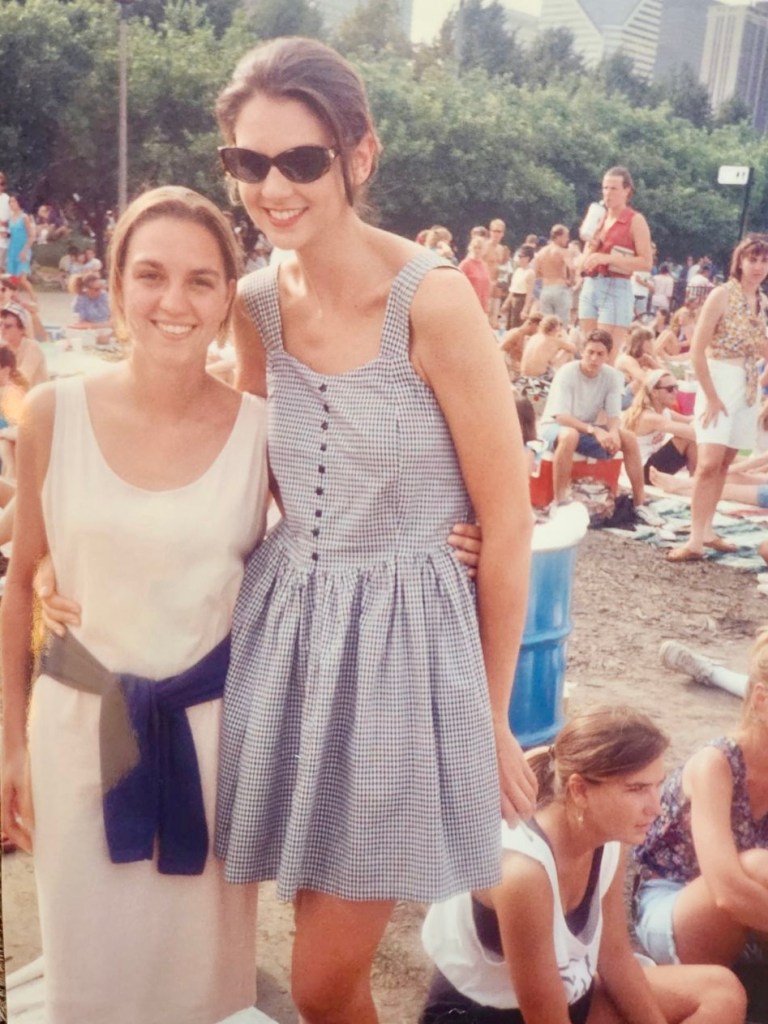
We were there–Chicago, July 4, 1993. Four of us drove to Grant Park from Columbia, MO for an all-day concert and to visit the first in our group of college girlfriends to get a real job and a swank apartment with a doorman. We were all in our early twenties as were the thousands like us scattered across the lawn, west of the Chicago Harbor. Each of us with as much aspiration, hope, determination, and confidence as any Gen Xer could gather after living our childhoods in the experimental and experiential 1970s and our teenage years in the exploitative and extravagant 1980s. We had just recently been categorized for the first time by Canadian author Douglas Coupland in his 1991 novel “Generation X: Tales for an Accelerated Culture.” There was so much life ahead of us, our whole adult lifetimes, really, to find a place that would feel like “home.” Each of us had our own favorite artist to see and hear live that day–Fishbone, Alice in Chains, Belly, and Matthew Sweet are the ones I can recall. Despite my significant affection for Belly’s debut album, Star, it was Matthew Sweet’s performance I anticipated most that sticky summer day in July of 1993.

G and me at Grant Park, July 4, 1993. (her photo and likeness used with permission)

I’d been working at a concert venue for a couple of years and had had a divine intervention of sorts with Sweet in 1992 when he’d played the club. I had picked him up from the hotel to deliver him to his sound check in my 1983 powder blue Plymouth Reliant. Many artists of historic significance had ridden in that car–Queen Latifah, Joan Baez, and Jimmy Cliff are the first three that come to mind. But the most memorable ride was with Matthew Sweet. I had become deeply obsessed with his debut album Girlfriend. Every word of every song had spoken profoundly and prophetically to me for more than a year when he stepped into the passenger side of my car. He smiled sweetly at the sight of my boombox which I always kept in the center of the bench seat of my modest little wagon. A pink plastic cassette holder balanced across the hump in the center of the floorboard. He eagerly reached for the box and began to read the artists’ names and album titles out loud. At the recitation of “Firefall’s Greatest Hits,” his tone changed to pure glee as he asked if we could listen to it. Of course, I obliged and we sang along in unison with Rick Roberts as Sweet pushed the volume to MAX. We arrived at the club quickly and as I turned off the ignition and he hit the stop button on my boombox, he asked if I could give him a ride back after sound check so that we could continue to listen to Firefall. Again, I politely obliged. I managed to arrange for about an hour of free time, thanks to my friend Andrea, so that Sweet and I could circle the town a few times while we listened to the full 45 minute cassette. I shared how much his record meant to me because I was suffering from an unrequited love for a local musician, and that I was certain this was absolutely the greatest love and pain I had ever endured. I told him I’d always known I’d fall in love with a musician someday, I’d known it since I’d heard The Carpenters’ “Superstar” as a little girl–I just knew that would be my fate. He encouraged me to reveal my feelings to the man that had been occupying my every thought, waking and sleeping, since the day I met him on New Year’s Eve 92-93. Even if it doesn’t work out, Sweet assured me, I’d feel better for letting it out so that I could process what I was feeling. I took his advice and it didn’t work out, but eventually, I did feel better. Sweet’s advice did give me what I needed to process my loss and move forward. Coincidentally, in 2013, that local musician and I saw Firefall in concert together. I thought a spark might ignite that night, but it did not. Music has always had this magical way of threading in and out of my life in the most unusual ways…divine intervention? Maybe.

Thirty-two years after my own version of car-pool karaoke with Matthew Sweet, while I was crouched on my knees, digging up dead bamboo plants in a friends’ garden, to earn enough cash to pay my October phone bill, I got a text from one of my dearest lifelong friends telling me that Matthew Sweet had suffered a debilitating stroke. She shared a GoFundMe link set up by his wife to help cover his exorbitant medical expenses. Like me, the music industry has not provided Sweet with long-term financial security, he cannot afford health insurance (also like me). Without a moment’s hesitation, I opened the link and donated the few dollars I had in my bank account. Then, I opened Spotify and clicked to play Sweet’s Girlfriend album. The opening lines of the first track caused me to burst into a deep, heaving cry–the one I’ve needed for quite a while, so that I could begin to process the all the losses of the past twelve months.

I don’t know where I’m gonna live.

I don’t know if I’ll find a place.

I’d have to think about it some and that I do not wish to face.

Guess I’m counting on divine intervention.

As I cried in my friend’s garden, an unsettling cascade of conflicting emotion raced through every cell of my being–the unmatched joy given to me and the crushing loss caused to me by the greatest love of my life–music. I have always felt that I have a creative soul, but I have chosen the path of a creative-adjacent career–always promoting the art of countless profoundly talented artists, never choosing to nurture my own creativity. Three months have passed since that day in my friend’s garden when I heard the news of Matthew Sweet’s stroke. His path to recovery is still a long road ahead, and I still don’t know where I’m gonna live.

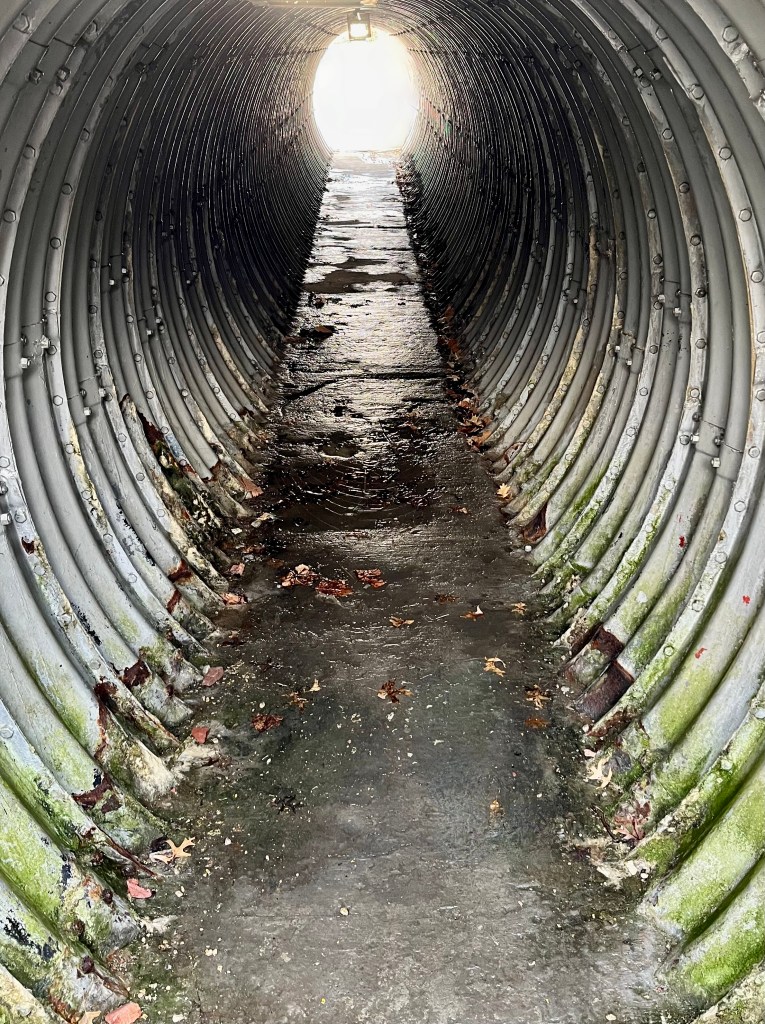
I can see the light at the end of the tunnel, but there are still some messy points along my path ahead to reach it. (Santa Fe Railroad tunnel, March 2024)

On January 8, 2024 I returned to the town where I lived for most of my childhood and teenage years. I moved my daughter into a dorm for her final semester of college, and signed the papers to sell my home in order to pay off my business loan. I packed my car with four crates of vinyl records, two boxes of my most beloved books, my favorite framed photograph of my daughter and me, and one suitcase containing my entire wardrobe. I left before the for-sale sign arrived in my yard, too painful a sight than I could bear to witness. I arrived “home” just before sunset, in the town where my fondest memories of childhood reside.

Main Street USA at dusk, January 8, 2024.

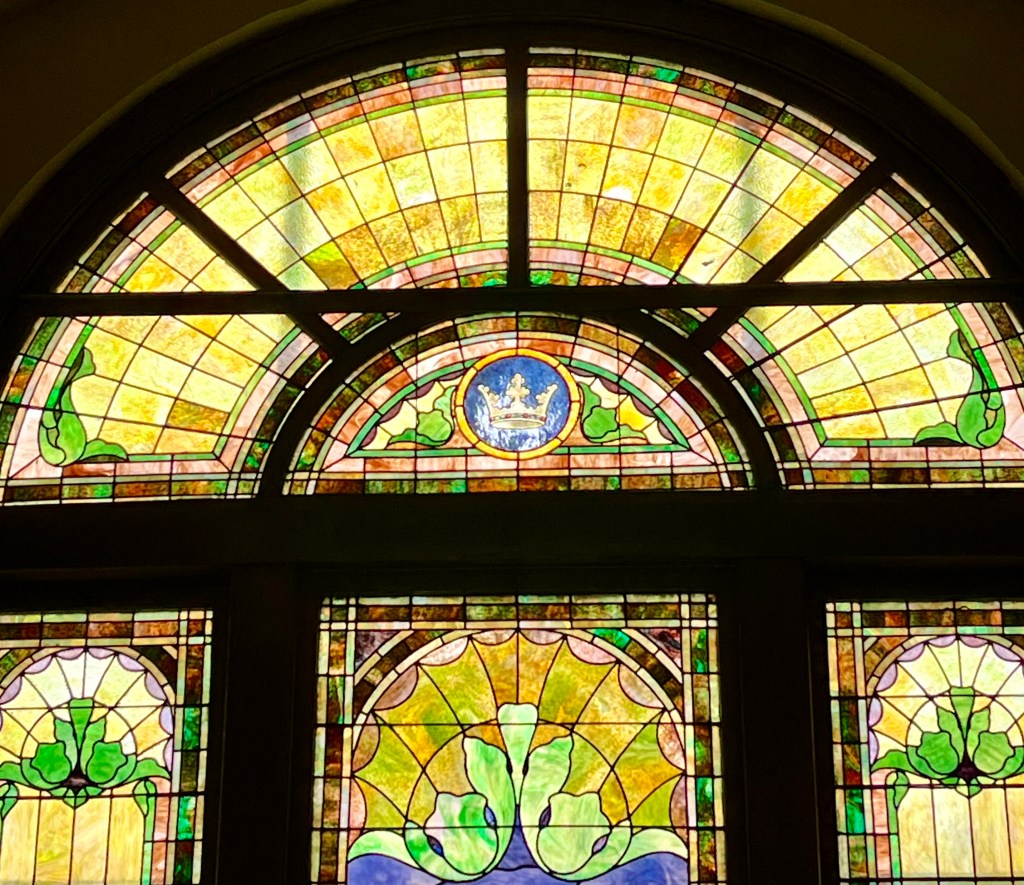
A few days after returning to this town, I attended a service at the church that our family had attended since 1960, the year my grandparents first moved to this town. I had not been in that church since my Grandma’s funeral in 2007. I wondered if anyone would know me and how I would feel, sitting in the Pollard pew without a single family member there with me? Was our family’s location in the sanctuary now some other family’s weekly gathering spot? All those anxieties dissolved the moment I arrived, I was greeted with warmth from nearly everyone in attendance that day. Each Sunday while I sit at the end of the pew, third from the back on the East side of the aisle, under the stained glass window donated by the Taylor Family nearly 100 years ago, I feel that I am “home” and I feel that Grandma and Grandpa are with me in spirit.

The view from the Pollard pew as it was in my childhood and is in 2024.

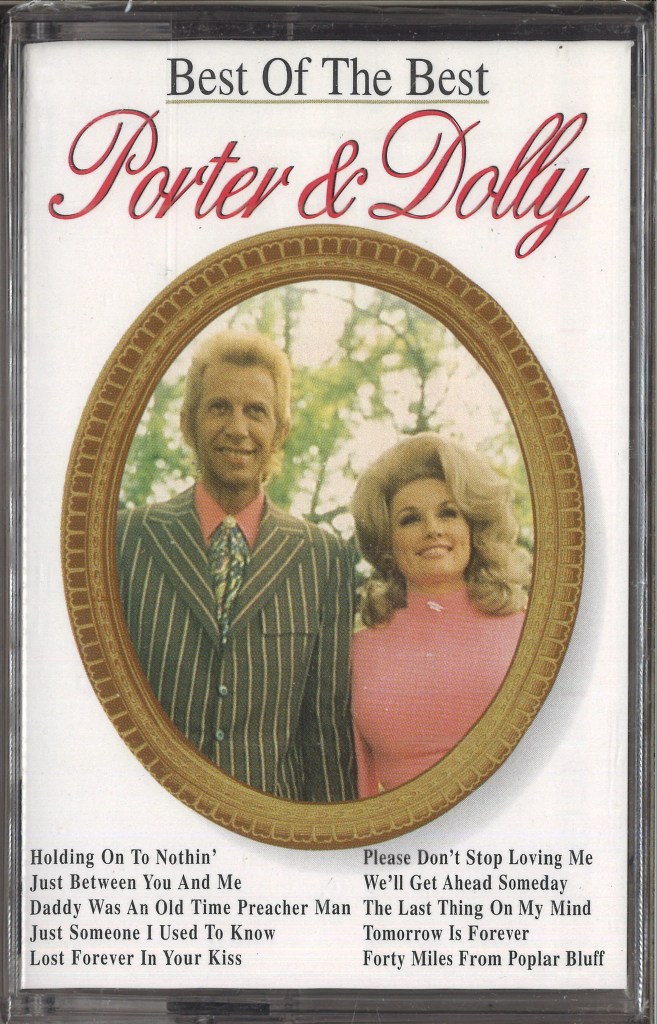
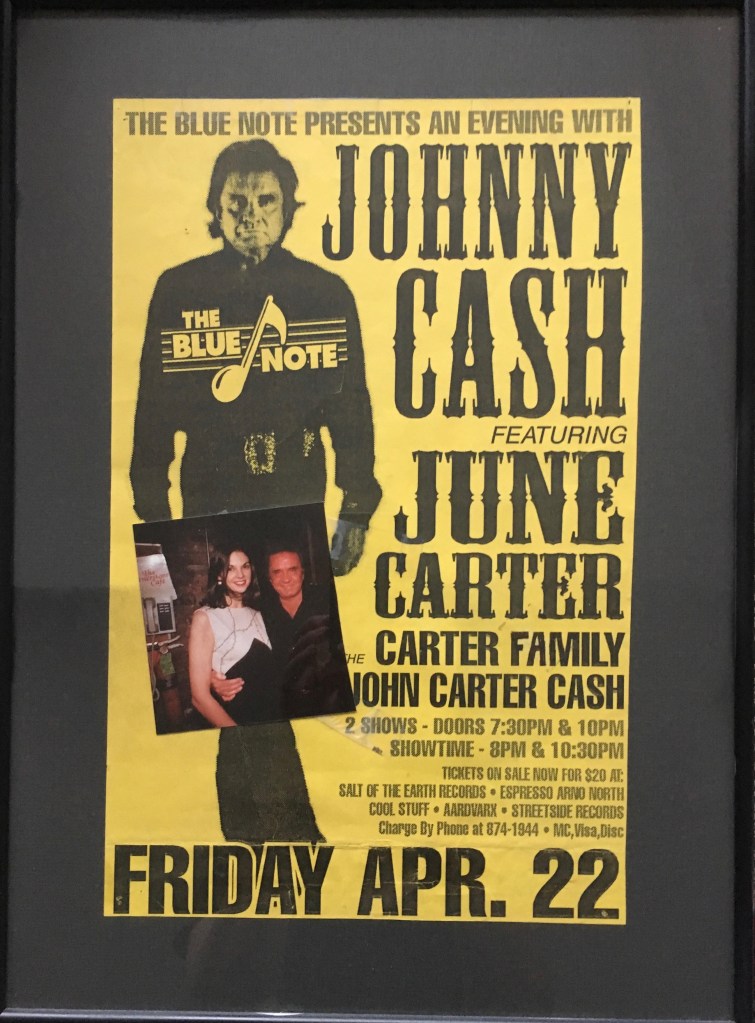
Providing a space that embodied the word “home” was vitally integral to me while I was raising my daughter. In her first 24 years of life, we resided in two homes, in one town. This was of massive importance to me because my own single mom struggled so much financially throughout my childhood that she and I had already lived in four places when we settled into my grandparents’ home on West Gracia Street during my first year of life. I grew to regard that home as the house where love lives, in accordance with my favorite song from Dolly Parton and Porter Wagoner’s Always, Always album, released during that first year of my life. And, by the time I graduated from high school, we had moved fifteen times. Although the house on Gracia Street has been demolished, I spent many hours there in 2024, listening to the albums that remind me of Grandma & Grandpa all dressed up in their matching square dance attire, lovingly created by Grandma’s hands; of Mom in her early twenties brushing her and my long dark hair as we sat in her wrought iron bed and listened to the folk artists of the early 1970s on her record player; and of my teenage aunt in the Homecoming parades wearing bright white boots with black and gold tassels, marching under fall Midwestern skies, the sun shining through the red and orange leaves and creating a magical sparkle on her baton as it flew upward and landed in her hands again and again. I could see all of that as I listened to Dolly & Porter, and Johnny & June, and Linda, and Loretta, and Cher, and Joan, and Joni, while sitting in the grassy empty lot where “home” once stood. On my 55th birthday, I watched the setting sun melt into the treeline at the end of Gracia Street from the sidewalk in front of where our home once stood.

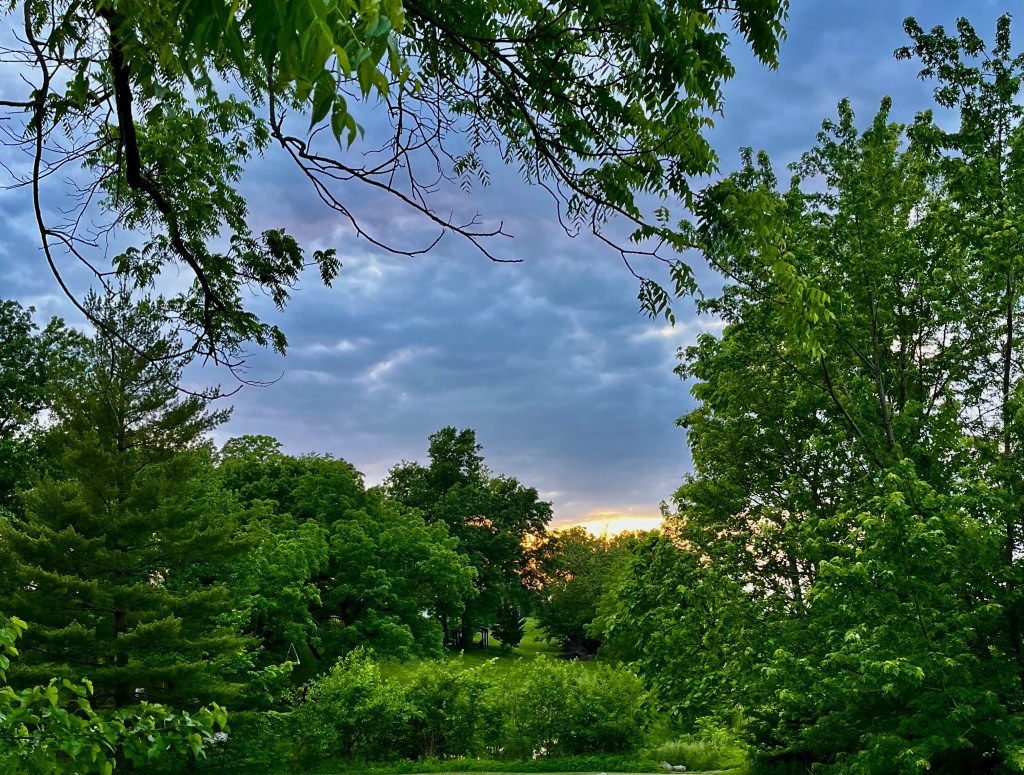
Gracia Street, May 21, 2024.

There is another grassy lot where I spent a great deal of my time in 2024 while writing and listening to my favorite pop songs from my high school years. This lot is on the East side of town where the cozy little storybook cottage once stood that my Mom purchased for her, my little brother, and me in 1982. When my brother and I discuss our happiest shared sentiments about “home” it is always a memory from East Howe Street. While listening to Madonna, The Cars, The Police, Duran Duran, and Run DMC, I thought of my brother and me playing in his model reconstruction of the Star Wars galaxy with all of his action figures and ships on his upper bunk bed. I recall making a pencil mark on the back of my bedroom door to mark my first crush’s exact height (according to the high school football program from the first home game of 1984) and a Maybelline Hot Pink kiss mark at the approximated lip-placement height of The Boy, so that I could practice leaning in to receive what I hoped would become my real first kiss. In 2024, I stepped across the paving stones that once led from the garage to the front step of that home, where I did indeed receive my first kiss from The Boy.

A long shadow now hangs over the place where one of my sweetest memories exists.

In the backyard of that home, I learned to twirl a baton and my brother learned to breakdance, and in the front yard, we posed for happy pictures on Christmas and Easter mornings and Prom and Homecoming nights. And in that living room of that home on East Howe Street, the three of us together, throughout the 1980s, watched the I-70 World Series, the news of the Challenger explosion, Michael Jackson’s first moonwalk on Motown 25, and all 16 hours of Live Aid. From its majestic opening ceremony with Princess Diana and Prince Charles greeting the 1.9 billion viewers around the world from London, to its phenomenal finale, “We Are The World” from Philadelphia, Live Aid was the single most life-changing and personally awe-inspiring event I experienced in my youth. Up until that time in my life, I had considered all sorts of career paths to find my entry way into the glittering world of entertainment. The concept of being the creator of musical events, much less such a massive spectacle as Live Aid, a 16-hour multi-national concert featuring 75 artists for the benefit of humanity, had never entered my mind until I saw it broadcast around the world by satellite into our living room on East Howe Street in 1985!

In the past twelve months I’ve rested my head in an Air B&B above the storefront that was my first place of employment as a teenager, and in a cabin on the same aforementioned Taylor Family’s farm, where Walt Disney once played with his closest neighbor and schoolmate, and in the spare rooms and living rooms of family members and generous friends. I’ve volunteered to give tours at the Walt Disney Hometown Museum and to wash dishes after funerals at my hometown church. I’ve cleaned houses and weeded gardens to stay afloat. I even earned my Red Cross life-saving certification so that I could work as a lifeguard and do my small part to ensure that our little town’s amazing, state-of-the-art year-round public swimming pool can remain open this winter. I’m writing as often as I possibly can, and I am possibly more in love with live music than ever before, after finally adding Rick Springfield and Electric Light Orchestra to my list of hundreds of awe-inspiring experiences as an audience member at a live music concert. In January, I reunited with my very first best friend after several years out of touch, as we each were facing huge challenges- her health and my career. She and I became friends in the preschool Sunday School room at our church when we were only two years old. We also share some of our earliest and fondest memories of Saturday nights at Buck Cody’s Frontier Jamboree. We were able experience live music from artists like Dolly Parton and Conway Twitty right here in our own hometown when we were just little girls. When we reconnected this year, we spent the evening listening to old records and talking about how incredibly proud we are of our adult daughters. On that snowy winter night nearly a year ago, we also agreed we would see these two artists together in 2024. We spent our childhood days roller skating to Electric Light Orchestra at Topp Cats Roller Rink, and our teenage years playing 45s while we combed through issues of Teen Beat during sleepovers at each other’s houses. We will never let so much time pass between us ever again and we will lift each other up on our hardest days going forward.

In May of 2024, my daughter graduated from college with Summa Cum Laude honors. Next week, she begins her own fulfilling career path in her field of choice, library science. Nothing and no one in this world could bring more joy to my life than she has and continues to, every day of her life. She is a kind, compassionate, honest, and earnest human and I look forward to all that she will accomplish in her lifetime. What’s next for me? Well, this year I needed to take a thorough look back before I could move forward. I’ve wanted to be a writer for most of my life, and this year, I finished my manuscript for Notes From The Listening Gallery, which I started in 2017. I’ve submitted queries to some publishers and agents, one requested the full manuscript, and at this moment, it is still under “active review” in their database. I do believe that one day in 2025, I will be open to receive genuine divine intervention to know where I’m gonna live. My wish this new year’s eve is that I will remain endlessly resilient and hopelessly devoted to people and places and art and causes that spread joy, so that I can continue to have and to give hope. On that note, I’ll close this Note and this year with the song that I chose to listen to most of all throughout 2024.

“Everything’s gonna be alright that’s been all wrong”

Among the millions of souvenirs of memory that live within the caverns of our minds, each of us holds on to experiences that made a definitive impact in shaping our character, our psyche, our very being. Hopefully, for you, most of these are positive ones that generate blissful sentimentality each time a current event stirs those memories to the surface. Notes From The Listening Gallery is a collection of essays I’ve written about my musical memories that are both deeply personal for me and communally sentimental for all of us who share a love for 20th century American music. Today’s note is about the first significant breakup that I can recall. Fifty years ago, Dolly Parton publicly announced the end of her business relationship with Porter Wagoner. Rolling Stone Magazine fittingly describes this day in music history: “On February 19th, 1974, on the strength of her blockbuster single, “Jolene,” which had just topped the country chart, Parton took the first major step toward independence (and world domination) by announcing her split from Wagoner.”

Dolly Parton penned and performed “I Will Always Love You” as her gracious and boundary-defining farewell to Wagoner during her final episode on The Porter Wagoner Show. There were many tear-filled eyes in our living room that evening. For it was Dolly who had changed that program from just one of many in the music variety show weekly lineup in our household, to Grandma’s favorite TV show. I was too young to recall the years when Dolly was not the main attraction to this program, to me, it had always been “The Dolly and Porter Show.” What were we to do, now that Dolly’s lovely heartfelt storytelling and gentle giggle were gone from our television screen, watch Porter and the Wagonmasters, without her? At the time, this event felt like a tragic ending for me–a five-year-old country girl who idolized this “girl singer,” the label used at that time to denote country female vocalists performing alongside men. It would not be long until I would learn that a momentous ending can also be an epoch-making beginning.

Their 1969 album Always, Always is packed with tracks that pluck my heart strings to deliver a visceral musical message. I can see every detail of the house on Gracia Street, right down to the velvety-textured black and gold wallpaper. Nearly every lyric of “The House Where Love Lives” is emblematic of my own family during the earliest years of my life. Even though we didn’t actually have a dog, there’s a shaggy dog who lives out back, represented Freckles, “The Downtown Dog” who once made the cover of the local newspaper. He belonged to our neighbors who lived across the alley behind our home on Gracia Street. He often accompanied me on summertime walks to Drennen’s Soda Fountain where Doc Drennen would scoop out a Dusty Miller for me, and would place a bowl of water on the floor for Freckles. I believed he belonged to me just as much as I believed that lyric was meant for him.

Our former home on Gracia Street. It was demolished in 2023.

In our kitchen on Gracia Street, Grandma taught me to roll biscuit dough into balls and to ever-so-gently drop them on top of her “famous” chicken pie before she placed it in the oven to bake. Grandpa taught me how to pull a record from its sleeve and to ever-so-gently drop a needle on it, inside of the big wooden console stereo they kept in that kitchen. Today, as I listen to the vinyl copy of the Always, Always album that once played on that turntable, I rejoice in the crackling between tracks, which elicit memories of the sound of Grandma’s hand-sewn can-cans rustling under her square dance dresses that she made from the same fabric as Grandpa’s cowboy shirts for dancing. I recall the heartfelt expressions of love and devotion in hard times, as told through the voices of Dolly and Porter (or George and Tammy or Johnny and June). It was there–in those songs, in that kitchen, where I determined exactly what romantic love would need to sound and feel like for me, when I grew up. By the age of four, I already knew that a future husband of mine would need to whirl me around the kitchen floor as a warm up before we would go out dancing on Saturday nights. That was true love. My grandparents understood my ardent admiration for music, and sometimes, they brought me along for a night of dancing and listening to the house band perform covers of classic country songs at Buck Cody’s Frontier Jamboree. I earnestly learned all of the calls, and soon, Buck’s young son Beau, just a year older than me, would become my first dance partner. Those nights at Buck Cody’s were pure and absolute magic for me. In 1976, Grandma even made a patriotic dancing dress for me that matched hers.

In my bicentennial square-dance dress.

During the summer before Dolly and Porter’s breakup, Grandma and Grandpa experienced a magical Saturday night at our little hometown music hall. This iconic duo performed at Buck Cody’s Frontier Jamboree on a very hot August night in 1973. Witnessing live music at Buck Cody’s made an indelible impact on the career path I chose. I have spent most of my adult life working as a conduit between the people of my community and their musical heroes and heroines. I am deeply grateful for every single one of those artists, colleagues, and fans, who have filled multiple caverns in my mind with magical, musical memories. I have chosen to end that work at this point in my life because working in the live music industry takes a toll on the body, and it’s broken my heart a few too many times. But my spirit remains strong. I will continue to find creative ways to build community and to encourage creative collaboration.

Above: A screenshot from a 1973 newspaper archive. Below: one of my favorite days at work, 1993.

The breakup of Dolly and Porter was the beginning of her astounding solo career. Dolly delivered many of her biggest hits in 1974, and went on to release records that Grandma and I would love even more than those she had released as half of the Dolly and Porter duo. Grandma’s favorite was “Love is Like a Butterfly.” This lovely, lilting tune is perhaps the most genuine expression of Dolly’s gifts of voice, warmth, and grace. When I see a butterfly I think of Grandma. And on those rare occasions when I cross paths with a man that I find to be exceptionally intriguing, I hear this song in my head as the butterflies take flight in my chest.

Grandma has been on my mind a lot this week. I thought of her last night as her granddaughters gathered–just the three of us, for the first time as adults–to talk about raising our kids to adulthood, finding fulfillment in our work in our fifties, and reminiscing about sleepovers at Grandma and Grandpa’s house, following afternoons of swimming or roller skating, eating Funyons and drinking Coke from ice cold glass bottles. I thought of her this morning as I sat in church next to my first Sunday school teacher. I remembered how proud Grandma was in the years when “our” pew was filled from end to end every Sunday with my grandparents, aunts, uncles, cousins, mom, my little brother, and me. Grandma held my hand to help me climb and descend the steps of that church during the first years of my life, and in the final years of her life, I helped her to do the same. The last time I held Grandma’s hand was in that church, after her funeral, just before her nephews carried her to the hearse. Her hand was hard and cold. I cried, wishing that I had told her just how much I appreciated the soft warmth of her comforting hands that I thought would be there for me, always, always.

A few years after Dolly’s departure from the Porter Wagoner Show, she had her own tv show. Several times during that program, she invited one of my mom’s favorite singers, Linda Ronstadt (who eventually became my favorite), as well as the achingly emotive Emmylou Harris, to perform with her. The emotion stirred in me by the sound of these three voices intertwined, still makes the hairs on my arms stand on end when I watch clips or listen to the two albums they recorded together as Trio. Heartache and heartbreak delivered in equal parts with recovery and resilience, flow effortlessly through every note. Trio crafted some of the most beautiful renditions of multiple folk, country, and standard ballads of 20th century classics that I have ever experienced. The long term impact of Trio on me…well, as they say…is history. In 2019, my business partner and I formed the only female-owned independent concert production company in the US. We named our company, Trio, to honor the magical collaboration between her favorite musician, Dolly Parton, and mine, Linda Ronstadt. Last fall, after a crushing four years of attempting to recover from the unprecedented financial fall-out of our entire industry that had immediately followed the creation of our dream company, we dissolved our company and I gave up my home to pay off the bank loan I’d taken out to try to save our Trio.

As one of the most generous philanthropists of the 21st century, the immensity of Dolly’s creative talent is equal to the scale of her genuine humanitarianism. Her career continues to flourish and she has now shared her virtuosity with every generation from the greatest, to the alphas. Her Imagination Library has changed lives for 2,886,480 kids and counting, in a remarkable way far beyond any efforts by any pop star of any generation.

Fifty years ago, she made a thoughtful decision to move her life forward by choosing to end a business relationship with a man who attributed himself as being the one who gave her a launch pad from which to build her esteemed career. But those of us who know Dolly also know that no one gave Dolly anything. She worked to earn her place in history and in our hearts. We have only Dolly Parton to thank for the gifts she has given to all of us.

Nearly six years ago, I made a new friend, a rare occurrence at this point on one’s life path. Gloria Steinem wrote about this kind of friendship perfectly in The Truth Will Set You Free, But First it Will Piss You Off! her 2019 collection of quotes, “I just had to wai for some of my friends to be born.” My young friend introduced me to her favorite Dolly Parton song, “Light of a Clear Blue Morning,” released many years before she was born, and it is now my second favorite Dolly song, right after “Butterfly”. Somehow, in the midst of all the disco and Broadway albums I was listening to in 1977, I had completely missed this stunning gem. Every word evokes a genuine sense of hope, while also acknowledging the resilience sometimes necessary to hold on to hope. I’ve always told my daughter that as long as she has hope, she has everything she needs. Today marks my first full week since 1987, of living in the town where I lived when I watched “the Dolly and Porter show” as a little girl. This morning, as I listened to my recently acquired beloved Dolly Parton song, I embarked upon the writing of my first note from a new listening gallery, from which I can see the light of a clear blue morning.

Click here to enjoy my accompanying playlist. If you enjoyed this note, consider joining my subscriber email list. March’s Note From The Listening Gallery will celebrate the 40th anniversary of The Cars’ Heartbeat City album, released on March 13,1984.